


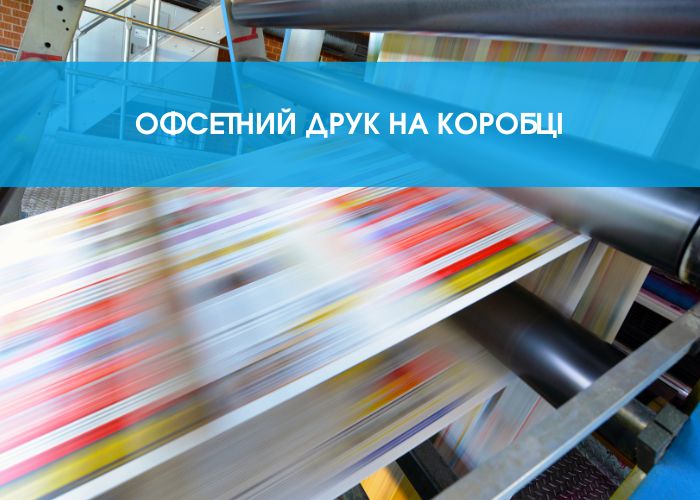


Today, buyers are not only interested in the reliability and durability of packaging, but also in its aesthetics, tactile sensations, overall design, etc.
Painting images on cardboard boxes is a popular service today, as it allows you to brand the product, make its design more stylish and original. Modern companies that offer printing on cardboard can transfer images by several different methods. And if earlier digital printing was mainly used, today it has been replaced by a more modern technology - direct offset printing.
It allows you to quickly reproduce an image on a large batch of goods. And the main thing is to do it as high quality as possible, with accurate transfer of all colors, shades, contours of images, etc. Let's take a closer look at what offset printing is and what stages the process of reproducing images on a cardboard box is divided into?
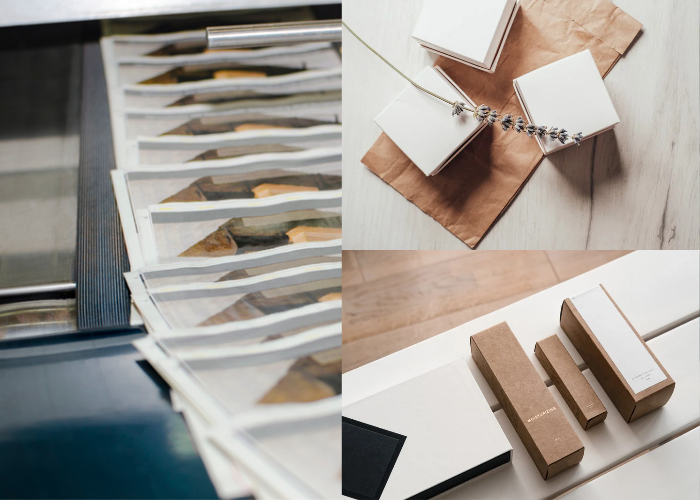
What is offset printing on a cardboard box
Offset printing is a modern technology that is significantly different from digital printing. The main principle of applying images to the surface is the transfer of paint from a specially created form to paper or cardboard using an intermediate element - an offset cylinder.
And while many previous techniques used so-called mirror printing technology, where the image was mirrored according to how it was originally loaded onto the printing equipment. This method can be called direct in another way. This is what makes it different from other common options: flexography, silk screen printing.
The use of digital equipment gives even more opportunities to create even the most complex designs of the outer layer of a cardboard box, because it is possible to convey many more shades by mixing basic colors with each other. At the same time, in any case, it will be flat offset printing, and not a three-dimensional image.
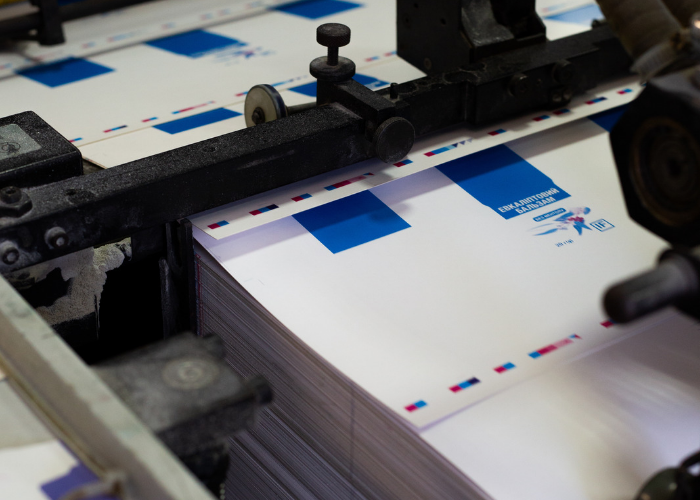
It is not always possible to use flexography or silk screen printing to transfer images to packaging products. In some cases, more precise methods and more advanced technologies are recommended. That's exactly what offset is. It allows you to transfer the image to both a perfectly smooth surface and a corrugated one. In the latter case, you will have to apply a little more effort to achieve an ideal result. Among the other advantages of offset printing is the ability to adjust the color directly during the execution of the order, without changing the basic layout. This makes the process much easier and faster. And also quite economical.
This technology is most beneficial if you order really large batches of packaging products. That is why offset printing of a cardboard box is recommended for branding products on wholesale terms.
Basic stages of offset printing on cardboard
Now let's take a closer look at exactly how offset printing of digital images takes place. The whole process can be conditionally divided into the following successive stages:
- The finished digital image, which you plan to see later on the cardboard box, is transferred from the shaft of the offset printing plate (photosensitive plate) to the offset shaft.
- Thanks to special equipment, the image is transferred to the cardboard base. This is due to the fact that the illuminated elements of the picture, which are considered oleophobic, repel all oily bases (which, in particular, is the paint itself). While the hydrophobic parts, exactly where the image will be located, attract the paint, repelling water.
This allows for the most accurate transfer of all contours and colors through plates with a photosensitive coating. The printing form is washed with clean water during turning. After that, the desired shade of paint is applied to its hydrophobic elements.
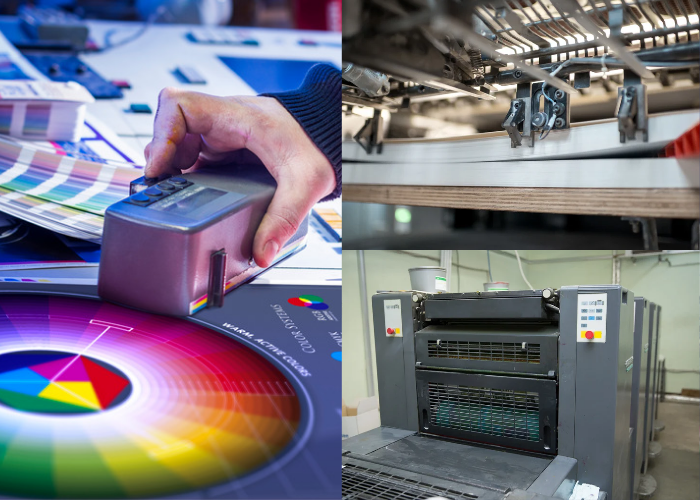
Of course, the final technology will depend on what offset printing materials are used. In particular, corrugated cardboard is considered more complex, because the colors are applied to the outer layer of cardboard or packaging paper. After that, the base undergoes embossing and lamination.
Risographic printing is also similar to the offset method. However, it is considered to be of lower quality because it cannot handle really large order lots. In addition, risography consists in duplicating and copying printed products with a relatively low quality of the finished result. Offset printing of digital images produces a much better picture, even faster.
Knowing about the types of printing on cardboard boxes, and getting acquainted with the features and advantages of each of them, we can clearly say that the offset method is really the most effective and high-quality. No wonder I choose him today most companies.
18/03/2024
Other News


.png "Congreve and embossing - new technologies")
.png "5 tips for choosing cardboard for printing cardboard packaging")
.png "File formats for cardboard box printing")


.jpg "Participation in IFFIP 2024")
.png "Cardboard - modern packaging")
.png "Quality packaging is...")


.jpg "Packaging for goods and its varieties")
.jpg "How to increase sales with effective cardboard box design")
.png "Trends in the design of cardboard boxes 2024. How to create packaging that wins the attention of consumers")
.jpg "Stages of cardboard box production: from idea to finished product")
.jpg "Ordering and Manufacturing Cardboard Packaging")